

A Homebuyer’s Guide to High-End Living in Dubai
22/12/2025


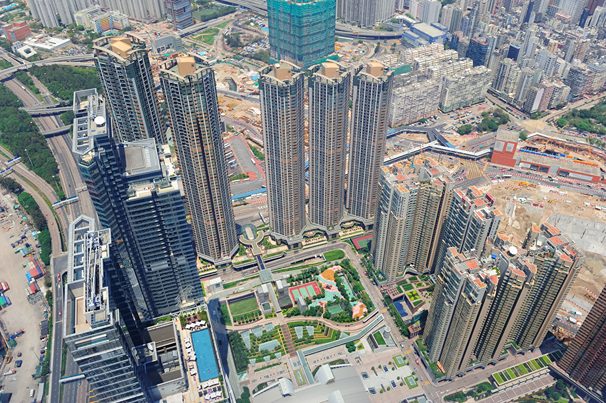
Property decisions in Dubai rarely start with glossy brochures or trending launches. In real conversations with expats and international investors, the starting point usually looks very different. Most people begin by asking which neighborhoods continue to work when the market quiets down, not just when headlines look optimistic.
These are areas where people stay longer, resell more easily, and feel comfortable committing capital without needing perfect timing. Buyers often use these districts as anchors. Only after understanding these benchmarks does interest expand toward more lifestyle-led or niche Dubai neighborhoods.
Palm Jumeirah holds a very specific place in Dubai’s residential landscape. The island does not rely on momentum or reinvention to maintain demand. Its value comes from something simpler and far harder to replicate: limited land, direct beachfront access, and global familiarity.
Expats relocating into senior leadership roles often choose Palm Jumeirah with a long view in mind. Many arrive intending to rent briefly and end up staying far longer than planned. That pattern creates a resident profile driven by lifestyle commitment rather than turnover.
From an investment perspective, Palm Jumeirah tends to reward patience. Owners benefit less from rapid appreciation and more from stability, scarcity, and consistent tenant quality.
What continues to support Palm Jumeirah:
Downtown Dubai functions differently from most residential districts. It operates less like a neighborhood and more like an economic center that people live inside. Offices, hospitality, retail, and residential buildings overlap in a way that keeps demand active year after year.
Expats drawn to Downtown usually prioritize proximity and convenience. Walkability matters. Being close to work matters. So does having an address that remains recognizable whether someone stays for two years or ten.
Investors often view Downtown as a liquidity play. Apartments here tend to move faster than in most premium districts, both on the rental and resale side, because the buyer pool stays deep even when sentiment softens.
Why Downtown remains a constant reference point:
Arabian Ranches attracts a very different buyer profile, and that difference explains its resilience. Families move here for space, routine, and long-term living, not experimentation. Schools, landscaping, and community planning play a bigger role than proximity to landmarks.
Many expat families who settle in Arabian Ranches do not move frequently. Children grow into schools. Daily routines settle. That behavior creates predictable rental cycles and a resale market driven by genuine need rather than speculation.
Investors who perform well in Arabian Ranches usually approach it with a long horizon. The area rarely produces dramatic spikes, but it also avoids sharp corrections.
What sustains Arabian Ranches:
After expats feel comfortable with Dubai’s established residential areas, interest often moves toward Dubai neighborhoods shaped more by lifestyle than scale. These locations tend to attract people with specific work patterns, routines, and preferences rather than the wider market.
Bluewaters Island attracts residents who want a sense of separation without sacrificing access. The island layout limits congestion and noise, while dining and leisure options remain close enough to feel effortless.
Professionals and couples tend to choose Bluewaters for its calm, especially those who value waterfront living but prefer something quieter than more densely populated areas.
The restricted residential supply helps maintain pricing discipline, and the resident profile leans toward longer stays rather than high turnover.
<43>City Walk
City Walk appeals to expats who want their neighborhood to function on foot. Cafés, retail, entertainment, and open spaces sit close together, which changes how people experience daily life.
Residents here often stay because the area feels usable rather than impressive. That usability translates into stronger retention and a more stable residential base, which supports long-term value.
Dubai Design District attracts expats working in creative, media, fashion, and technology sectors. Residential buildings integrate directly into working spaces, galleries, and studios, which creates a sense of purpose beyond housing alone.
Demand here ties closely to employment and professional identity. That connection reduces speculative behavior and supports steady, organic growth.
La Mer appeals to buyers who value space and calm over density. Beachfront living here feels residential rather than touristic, which attracts owners planning to stay rather than rotate frequently.
Finite land availability and high owner occupancy continue to support long-term pricing stability.
High-value property decisions rarely improve when rushed. In most cases, they improve when time allows for context, honest discussion, and experience-led judgment. Solace Homes approaches real estate as an advisory relationship rather than a transaction, with a clear focus on premium residential and commercial properties across Dubai.
The firm works closely with investors and homebuyers across off-plan opportunities, completed residences, and long-term portfolio planning. Involvement does not end once paperwork completes. Ongoing guidance remains part of how Solace Homes operates, especially as assets mature and market conditions shift.

